
Get found by the people
already searching nearby.
Local SEO from AISEO US wins Google Maps, the Map Pack and city-specific searches - the places U.S. customers make same-day, high-intent decisions. San Diego based, working with independents, franchises and multi-location brands across the country.
What is local SEO?
Local SEO is the process of making a business visible for searches connected to a place - a neighborhood, a city, a service area, or a "near me" query. It combines Google Business Profile optimization, Google Maps and Map Pack visibility, location-focused website content, review acquisition, local citations, and local authority signals so that when a customer near you searches, they find you - and pick up the phone.
Search → Map → Call → Lead.
Nearly every local decision compresses into that path in under two minutes. Local SEO is the work of showing up at every step of it - and being the choice made at the end.
Customer types 'HVAC repair near me' or 'personal injury attorney San Diego'. Google decides who is close, credible and clickable.
Three businesses appear above the fold with reviews, hours, phone and directions. Every other result loses ~70% of the click share.
Customer taps the phone number, opens directions, or visits the website - often without leaving the SERP at all.
The winning listing had a real answered call, clear service pages, recent reviews and a same-day booking option. Everyone else lost the lead.
Why the Map Pack owns local search.
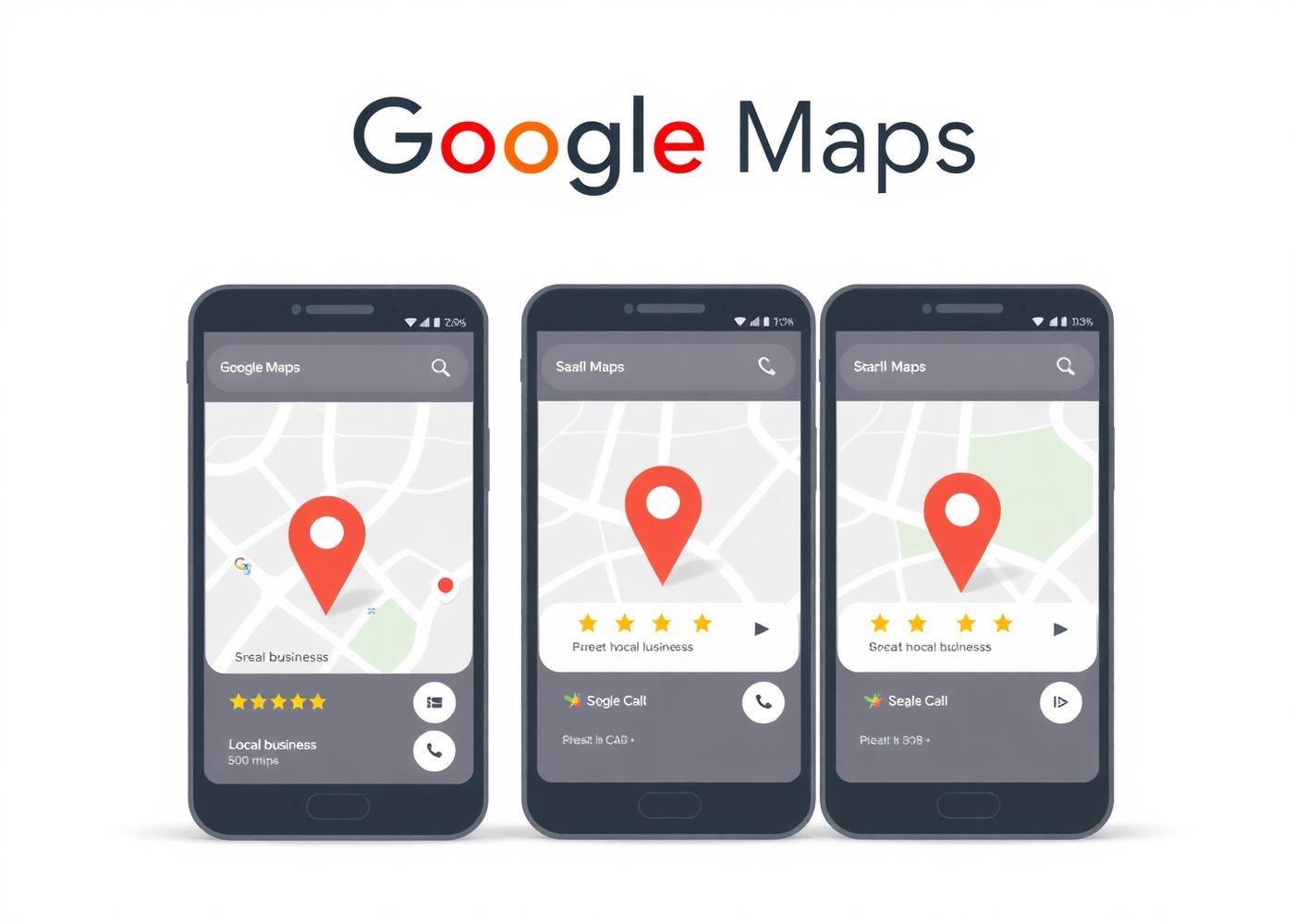
On most commercial local queries, Google Maps' three-result pack sits above the traditional organic results and takes the majority of clicks and taps. Ranking outside it isn't just "position 4" - it's a different tier of visibility entirely.
Every lever Google weighs - worked in the right order.
Categories, services, attributes, hours, description, photos, products, Q&A, posts, appointment links, messaging, chat.
Automation to earn recent, keyword-relevant reviews across Google and industry-specific platforms - plus response strategy for good and bad ones.
Original, buyer-focused city pages that stand on their own - not template shells with a swapped city name.
Cleanup and building on directories that matter for your industry and location.
Grid-based tracking so you see how you rank across the actual geography of your city, not from a single center point.
Community sponsorships, partnerships, digital PR and unlinked-mention repair scoped to your region.
Titles, H1s, service copy, schema (LocalBusiness, Service, FAQ, Review), internal linking.
BBB, industry directories, Yelp, Nextdoor, Angi and vertical-specific sites where your buyers actually check.
Dynamic call tracking, missed-call recovery, form optimization, hours audit, click-to-call placement.
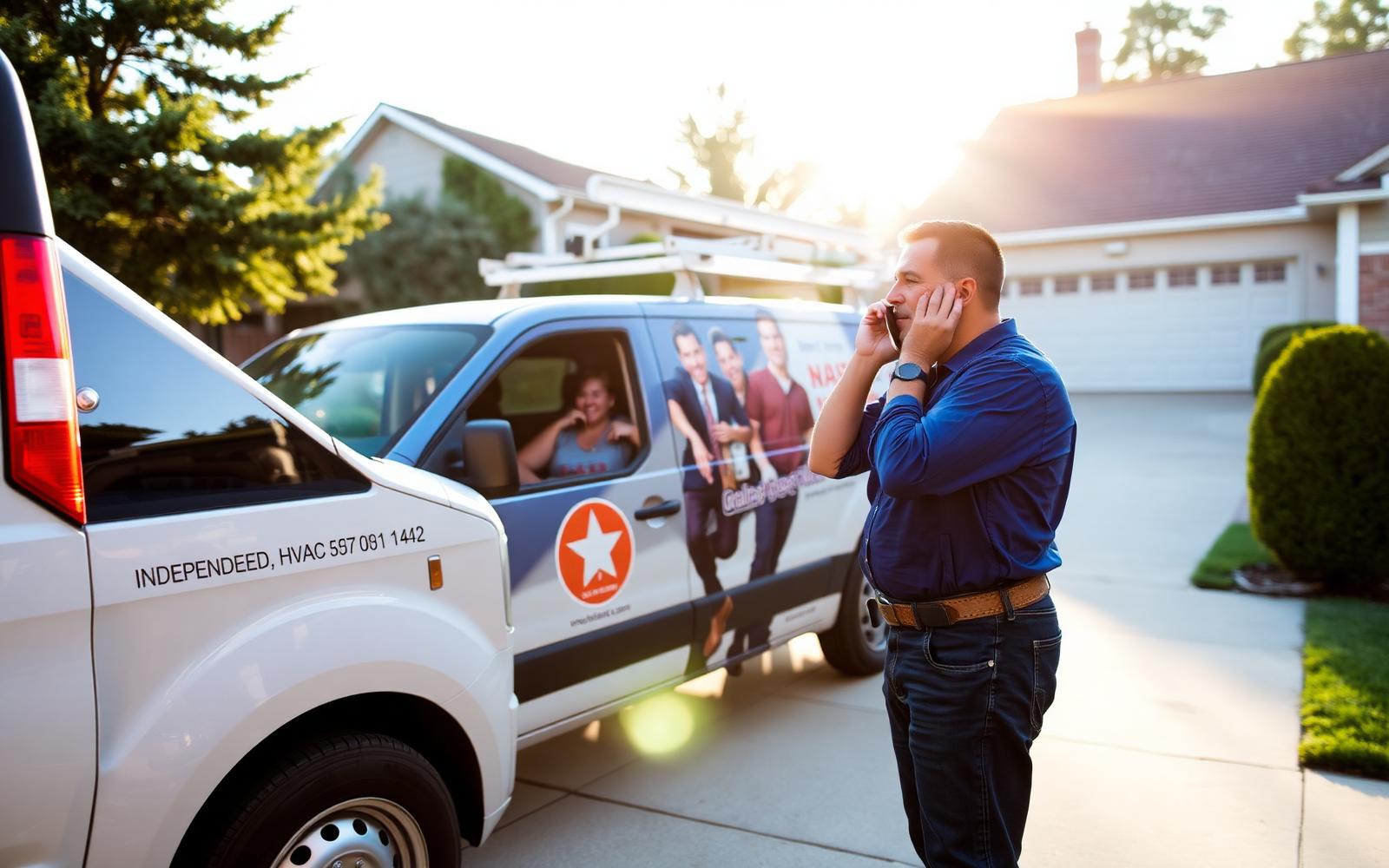
A ringing phone - not a screenshot of rank #1.
Rankings only matter if they end in a booked job. Every local engagement is measured against real business events:
- Calls that get answered. Tracked by keyword, city and time of day - including the ones you missed.
- Direction requests. The strongest 'I'm coming now' intent signal Google exposes.
- Form submissions. Segmented by service and city so we know what's converting.
- Booked appointments. Whenever you have a booking or CRM system we can integrate with.
Your competitors are appearing above you for reasons you can fix.
The Map Pack rewards recency, review velocity, category alignment, and local content. Send us your URL and city - we'll show you exactly which levers you're leaving on the table.
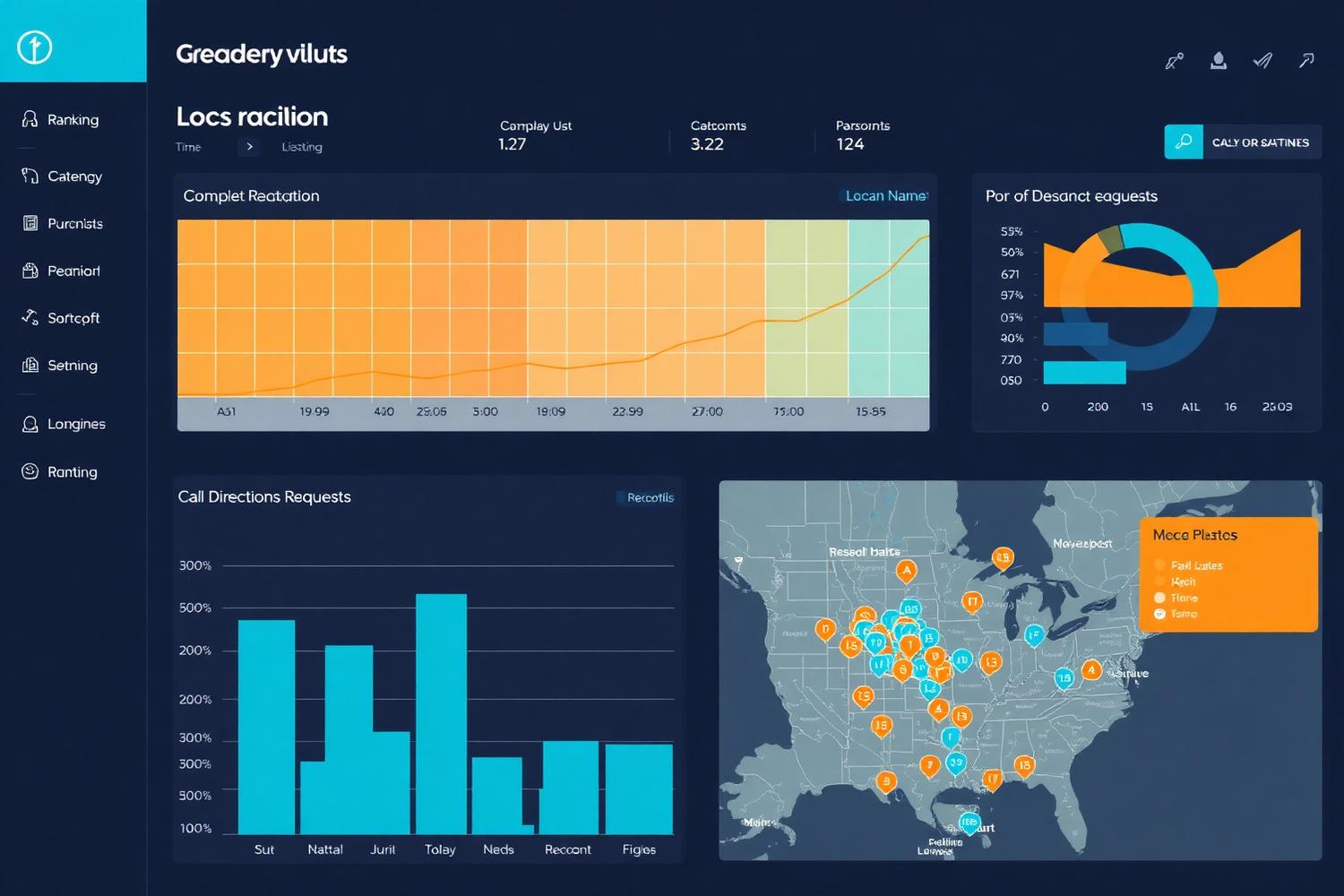
Grid-based Map ranking. Real call data. One screen.
You get a monthly local-visibility report tied to calls and directions - not a keyword rank spreadsheet.
- Grid ranking across your service area, not a single fake center point.
- Calls, form fills and direction requests attributed to search.
- Review velocity and star trend across every platform we manage.
- Competitive delta: where a rival gained on you and how they did it.
Sample dashboard shown for illustration.
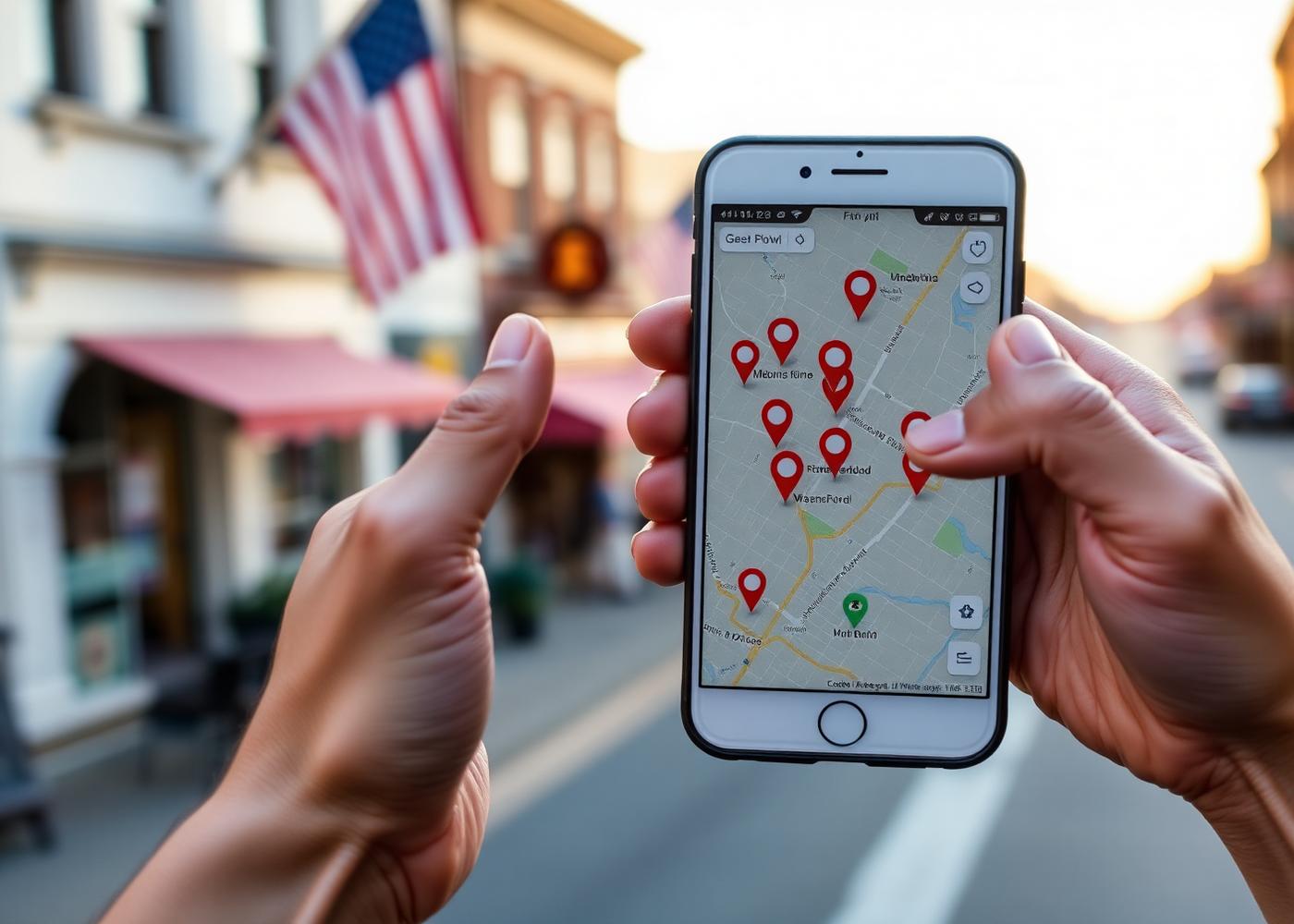
Most local searches happen on a phone, on a sidewalk.
Local SEO is a mobile-first channel by design. We optimize for one-thumb decision-making: click-to-call, click-to-directions, one-screen answers, sub-second load times, no popups that break the tap target.
What drives the cost of local SEO.
Local SEO investment is proportional to how contested your market is and how much of the foundation is already in place.
San Diego HVAC ≠ small-town HVAC. Bigger metros need more depth and authority.
Ranking in one city vs. ten neighborhoods vs. a whole region.
One storefront vs. a five-location group vs. a multi-state operator.
How much cleanup, disambiguation and category work is needed.
How far behind top competitors you are on recent, relevant reviews.
Whether we're building city pages from scratch or refreshing existing ones.
Which industry directories, review sites and communities need active work.
Owner-level monthly vs. full ops reporting vs. per-location dashboards.
Show us your city - we'll show you your local search gaps.
A strategist reviews your Google Business Profile, your competitive Map Pack, and your current local content, then replies with what to fix first.
Local SEO, answered.
What's the difference between local SEO and regular SEO?+
Regular SEO helps you rank in Google's blue-link results anywhere. Local SEO focuses on rankings that are tied to a place - the Map Pack, Google Maps, 'near me' queries and city-specific searches. The technical work overlaps, but local SEO adds Google Business Profile, citations, reviews and location content as first-class signals.
How long before local SEO produces real calls?+
For most single-location businesses in a manageable market, Google Business Profile changes can move the Map Pack in 2–4 weeks. Broader Map ranking gains and website ranking for city queries typically compound over 60–120 days. Highly competitive metros (Los Angeles plumbing, Miami HVAC, NYC law) take longer and cost more.
Do reviews actually affect ranking?+
Yes - but not just by star count. Google weighs review recency, cadence, keyword content, response rate and review diversity across platforms (Google, industry directories, review sites). A steady stream of recent, specific reviews beats a wall of five-star reviews from three years ago.
We're a service-area business with no storefront. Can we still rank in Maps?+
Yes. Service-area businesses (SABs) hide their address on Google Business Profile and define service areas by city or ZIP. The playbook is different from a storefront - you rely more on service-area content, categories, reviews from customers in each city, and consistent business information across the web.
What are 'citations' and do they still matter?+
Citations are mentions of your business name, address and phone number (NAP) across directories, industry sites and local publications. They still contribute to Google's confidence in your business's existence and location - especially for newer businesses. What's changed is quality now matters more than volume: a few strong, relevant citations beat 200 low-quality ones.
Can we win in Google Maps against a competitor with 10x more reviews?+
Sometimes. Reviews are one of ~15 signals Google weighs in the Map Pack. Proximity to the searcher, category selection, on-page relevance, primary-category alignment, and website authority all matter. A well-optimized profile with strong reviews can outrank a bigger business whose profile is neglected.
How much does local SEO cost?+
Single-location engagements typically start in the low four figures per month. Multi-location and highly competitive metros scale from there. The variables that drive cost are covered below - but every scope is quoted against your specific market, not a rate card.
Related services and locations.
Everything on Google Maps, GBP, reviews and citations.
Ranking multiple branches, franchises, or service areas.
Our home market - deep local knowledge.
Local SEO tuned to home-services demand.
Attorney-specific local + reputation SEO.
Emergency-intent focused local SEO.